Renting a Car in Europe: Cross-Border Fees & Driving Rules
Discover key driving rules, cross-border rental fees, and how Europcar compares to train travel for your next European road trip.
By Joseph White
Published Aug 29, 2026

Travelling around Europe gives you plenty of transportation choices. You can take high-speed trains between major cities, fly between countries, or rent a car and create your own itinerary.
For travellers planning to visit multiple destinations, renting a car can sound like the perfect solution. Imagine picking up a vehicle in France, driving through Belgium and Germany, and exploring smaller towns along the way.
But cross-border car travel comes with important questions.
Can you take a rental car into another country? Are there extra fees? What driving rules should you know? And when is renting with Europcar actually a better option than travelling by train?
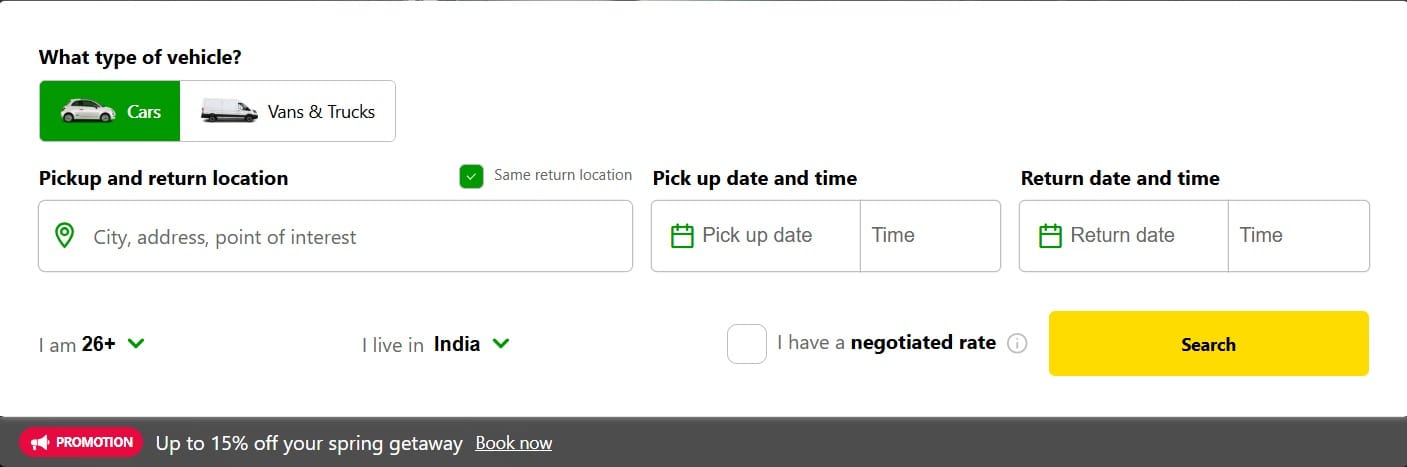
Here is what travellers should consider before planning a European road trip.
Can You Take a Rental Car Across European Borders?
In many cases, yes—but you should never assume that crossing a border is automatically included in your rental agreement.
Europcar states that cross-border travel depends on several factors, including the country where you collect the vehicle, the vehicle category and the countries you intend to visit. Some journeys may require prior permission or a specific cross-border package.
This means that a car rented in one European country may be permitted in certain neighbouring countries but restricted from entering others.
Before confirming your booking, tell the rental company about your planned route.
For example, if your itinerary includes:
France → Belgium → Netherlands → Germany
Make sure every country is listed and approved under the rental conditions.
The EU's official travel guidance also recommends informing the rental company in advance when you plan to drive through multiple countries so it can ensure you have the appropriate documentation, insurance and breakdown cover.
Understanding Cross-Border Fees
Cross-border driving can involve an additional charge.
Europcar lists cross-border travel as a potential extra cost, depending on the pickup country and travel plans. The company advises customers to check the specific rental terms for the country where the vehicle is collected.
The important thing to remember is that there is no single Europe-wide cross-border fee.
Costs and conditions can vary based on:
- Pickup country
- Countries you plan to visit
- Vehicle category
- Rental duration
- Whether cross-border cover is purchased in advance
- Local Europcar rental conditions
Driving into another country without authorisation can also lead to penalties under certain country-specific terms.
So, the safest approach is simple: declare your entire itinerary before collecting the car.

Don't Forget About Tolls and Road Charges
The rental price isn't the only cost of driving across Europe.
Depending on your route, you may encounter:
- Motorway tolls
- Congestion charges
- Environmental zones
- Road-use stickers or vignettes
- Parking charges
Europcar notes that renters are generally responsible for tolls and congestion charges incurred during their rental. In countries such as Switzerland and Austria, motorway stickers may not be included in the rental price.
Portugal and Ireland also use specific toll-payment systems that travellers should understand before driving.
These costs may seem small individually, but they can add up during a multi-country road trip.
Driving Rules Change From Country to Country
One of the biggest mistakes travellers make is assuming that European driving rules are identical everywhere.
They aren't.
The European Commission advises travellers that traffic rules vary between EU countries and recommends checking local requirements before driving abroad.
Important differences can include:
Speed Limits
Speed limits vary between countries and can also change depending on the type of road and weather conditions.
Always pay attention to local signs rather than relying on rules you learned in another country.
Driving Side
Most continental European countries drive on the right-hand side of the road.
However, countries including the United Kingdom and Ireland drive on the left.
This is particularly important for travellers crossing between continental Europe and the UK or Ireland.
Low-Emission Zones
Many European cities restrict access for certain vehicles in designated environmental zones.
Before driving into major urban centres, check whether your vehicle needs a permit or environmental sticker.
Mandatory Equipment
Some countries have specific requirements for equipment carried in the vehicle, such as safety items or winter equipment.
During colder months, winter tyre requirements can also apply in certain countries and regions. The EU specifically advises travellers to check the rules of each country on their route.
Do You Need an International Driving Permit?
Your licence requirements depend on where your licence was issued and where you're travelling.
Europcar states that EU and EEA licences written in Latin characters are generally sufficient for travel within the EU, while requirements can differ for travellers from outside Europe. The company also notes that an International Driving Permit may be required or recommended in some circumstances.
The best approach is to check the rules before travelling rather than waiting until you reach the rental desk.
Bring the documents you may need, including:
- Valid driving licence
- Passport or ID
- Rental confirmation
- Payment card
International Driving Permit, where required
Europcar vs. Train Travel: Which Is Better?
The answer depends heavily on your itinerary.
Europe has an extensive rail network, and train travel can be an excellent choice for city-to-city journeys. But rental cars provide flexibility that trains cannot always match.
Let's compare the two options.
| Feature | Europcar Rental | Train Travel |
|---|---|---|
| Flexibility | High | Route dependent |
| Access to small towns | Excellent | Limited in some areas |
| City-centre convenience | Parking required | Usually excellent |
| Cross-border travel | Permission/fees may apply | Often straightforward |
| Luggage | Easy to keep in vehicle | Must carry between connections |
| Scenic countryside | Excellent | Excellent on selected routes |
| Driving responsibility | Yes | No |
| Parking costs | Possible | None |
| Best for | Road trips & rural travel | Major cities & popular routes |
When Renting a Car Makes More Sense
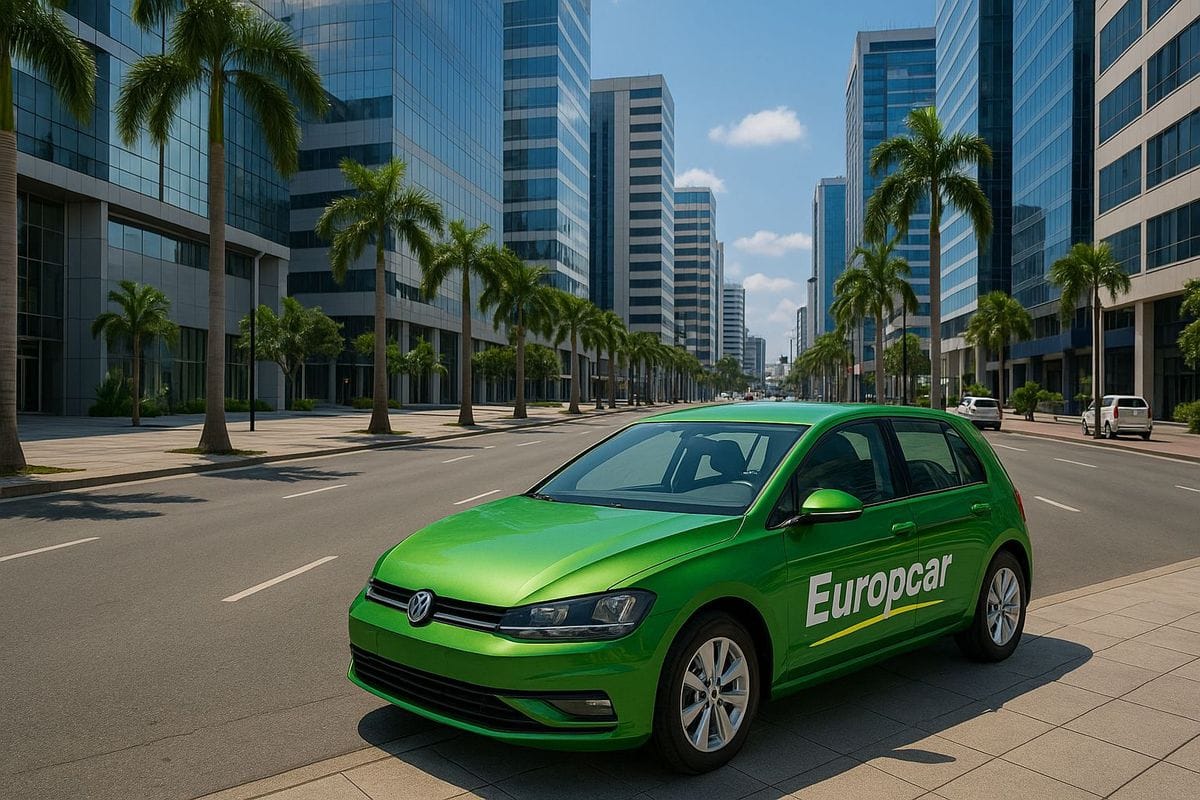
A Europcar rental can be particularly useful if your trip focuses on places outside major cities.
Consider a rental car if you want to:
- Explore rural villages
- Visit multiple destinations in one region
- Travel with family
- Carry significant luggage
- Follow your own schedule
- Visit national parks
- Explore coastal routes
- Stop in smaller towns
- Travel to locations with limited train connections
For example, travelling through Tuscany, the Scottish Highlands, rural France or smaller areas of Spain can be significantly easier with your own vehicle.
A car also gives you the freedom to stop whenever you want.
That flexibility is one of the biggest advantages of a European road trip.
When Train Travel Is the Better Choice
For trips focused entirely on major cities, trains can often be more convenient.
Imagine an itinerary such as:
Paris → Brussels → Amsterdam → Berlin
These cities have strong rail connections, and driving can introduce additional complications such as:
- Parking fees
- City traffic
- Congestion zones
- Fuel costs
- Toll roads
- Rental cross-border requirements
Train travel allows you to arrive closer to city centres without worrying about parking.
EU rail passenger rights also provide protections for rail journeys, although travellers should check the details of their specific tickets and routes.
One challenge is that international rail booking can still involve multiple operators and ticket systems, although the European Commission is working toward making cross-border train planning and booking more seamless.
The Best Option: Combine Cars and Trains
For many travellers, the smartest European itinerary doesn't involve choosing only one transportation method.
Instead, combine both.
Take trains between major cities where parking and traffic are inconvenient. Then rent a car when you're ready to explore the countryside.
For example:
Train: Paris → Lyon
Rental Car: Explore Provence and smaller French towns
Train: Return to Paris
This approach can give you the convenience of rail travel while still allowing you to experience the freedom of a road trip.
Tips Before Booking a Europcar Rental
Before finalising your reservation, check these important details:
Confirm cross-border permission. List every country you plan to visit.
Check additional fees. Cross-border products and country-specific charges can affect the final price.
Understand your insurance. Review liability cover, damage waivers and excess amounts.
Check toll rules. Some roads and countries use electronic payment systems or vignettes.
Inspect the vehicle. Take photos before leaving the rental location.
Know the fuel policy. Understand whether the vehicle must be returned with a full tank.
Check driving requirements. Confirm licence and ID requirements before travelling.
Research local traffic rules. Don't assume every European country follows identical regulations.
Final Verdict
Renting a car in Europe can be one of the best ways to explore beyond the major tourist destinations. A service such as Europcar offers flexibility for travellers who want to build their own route, visit multiple locations and travel on their own schedule.
However, international driving requires planning.
Cross-border travel may require approval, additional products or fees depending on where you rent the vehicle and where you plan to drive. Tolls, congestion charges, local driving rules and parking costs can also affect your total travel budget.
If your itinerary focuses on large cities, train travel may be easier and less stressful.
But if your dream trip involves mountain roads, coastal villages, countryside stops and spontaneous detours, a rental car can offer something trains cannot: complete freedom to travel at your own pace.
The best choice isn't always Europcar vs. train travel. Sometimes, combining both creates the ideal European adventure.
Write a comment
Comments
No Comments Yet