How to Prepare Your Car for Winter With ReifenDirekt.at
Get your car ready for winter with ReifenDirekt.at. Learn about winter tyres, tyre pressure, Austrian regulations, battery checks, and essential winter safety tips.
By Joseph White
Published Oct 13, 2026
Winter driving in Austria can bring snow-covered roads, icy surfaces, freezing temperatures, and reduced visibility. Preparing your vehicle before the cold season arrives can help improve road safety, reduce unexpected problems, and make winter journeys more comfortable.
One of the most important parts of winter preparation is checking your tyres. With ReifenDirekt.at, drivers can explore tyre options and compare products to find suitable tyres for their vehicles and driving needs. Along with choosing the right tyres, it is important to inspect your battery, brakes, lights, fluids, and essential winter equipment before temperatures drop.
In this guide, we explain how to prepare your car for winter and how ReifenDirekt.at can help you plan your seasonal tyre shopping.
1. Choose the Right Winter Tyres With ReifenDirekt.at
Tyres are your car's main point of contact with the road, making them especially important during winter. Cold temperatures, snow, and wet surfaces can change driving conditions significantly, so using suitable tyres is an essential part of seasonal preparation.
ReifenDirekt.at allows drivers to explore available tyre options and compare products according to their vehicle requirements. Before choosing winter tyres, check your vehicle's recommended tyre size, load index, and speed rating. You should also consider the roads you regularly drive on, including city streets, motorways, and mountain routes.
When comparing winter tyres, pay attention to:
- Winter performance: Look for tyres designed to perform in cold conditions and, where relevant, marked with the 3PMSF symbol.
- Wet grip: Consider how the tyre performs on wet and slushy roads.
- Tyre dimensions: Ensure the selected size is approved for your vehicle.
- Load and speed ratings: Follow the specifications required for your car.
- Budget and driving habits: Compare options based on your annual mileage and typical winter journeys.
Browse the available options on ReifenDirekt.at and compare the specifications before making your decision.
2. Check Austria's Winter Tyre Requirements
Before winter arrives, drivers should understand the rules that apply to their vehicles. In Austria, cars and certain other light vehicles are subject to a seasonal winter tyre requirement from 1 November to 15 April when winter road conditions are present. In those conditions, the applicable rules require winter tyres on all wheels, subject to the relevant legal provisions and vehicle categories.
The minimum tread depth and tyre specifications also matter. For standard radial car tyres, the legal minimum tread depth for winter tyres is generally 4 mm. Drivers should verify the current requirements and any exceptions through official Austrian guidance before travelling.
When shopping on ReifenDirekt.at, use the vehicle and tyre specifications to identify suitable options, then check that the tyres meet the requirements applicable to your vehicle.
Being prepared before the first snowfall is much better than waiting until winter conditions make travel more difficult.

3. Inspect Your Existing Tyres Before Buying New Ones
You may not need to replace every tyre simply because winter is approaching. Start by checking the condition of your existing set.
Look for uneven tread wear, cuts, cracks, bulges, or other visible damage. Check the tread depth with an appropriate gauge and make sure the tyres are inflated to the pressure recommended by your vehicle manufacturer.
If your tyres are worn, damaged, or unsuitable for the conditions you regularly encounter, explore replacement options through ReifenDirekt.at. Comparing specifications and prices can help you select a suitable set without rushing into a purchase.
Remember that tread depth alone does not tell you everything about a tyre's condition. Age, storage, damage, and general wear can also affect performance. If you are uncertain about a tyre's safety, ask a qualified tyre professional to inspect it.
4. Consider All-Season Tyres or Winter Tyres
Drivers sometimes wonder whether all-season tyres are sufficient for winter. The right choice depends on driving conditions, vehicle requirements, and how often you travel in snow or icy weather.
Winter tyres are designed for cold-weather conditions. All-season tyres are intended to offer a compromise across different seasons, but their performance depends on the specific model and conditions.
When comparing options on ReifenDirekt.at, consider the following:
- Frequent snow and mountain driving: Dedicated winter tyres may be the more appropriate choice.
- Mostly urban driving: A suitable all-season tyre may be worth considering if its capabilities meet your needs and the applicable legal requirements.
- Regular motorway journeys: Compare wet grip, stability, braking performance, and the tyre's approved specifications.
- Occasional winter travel: Think carefully about the conditions you may encounter, rather than choosing only on price.
Do not assume that every all-season tyre meets Austria's requirements for winter conditions. Check the specific tyre's markings and the current regulations before purchasing.
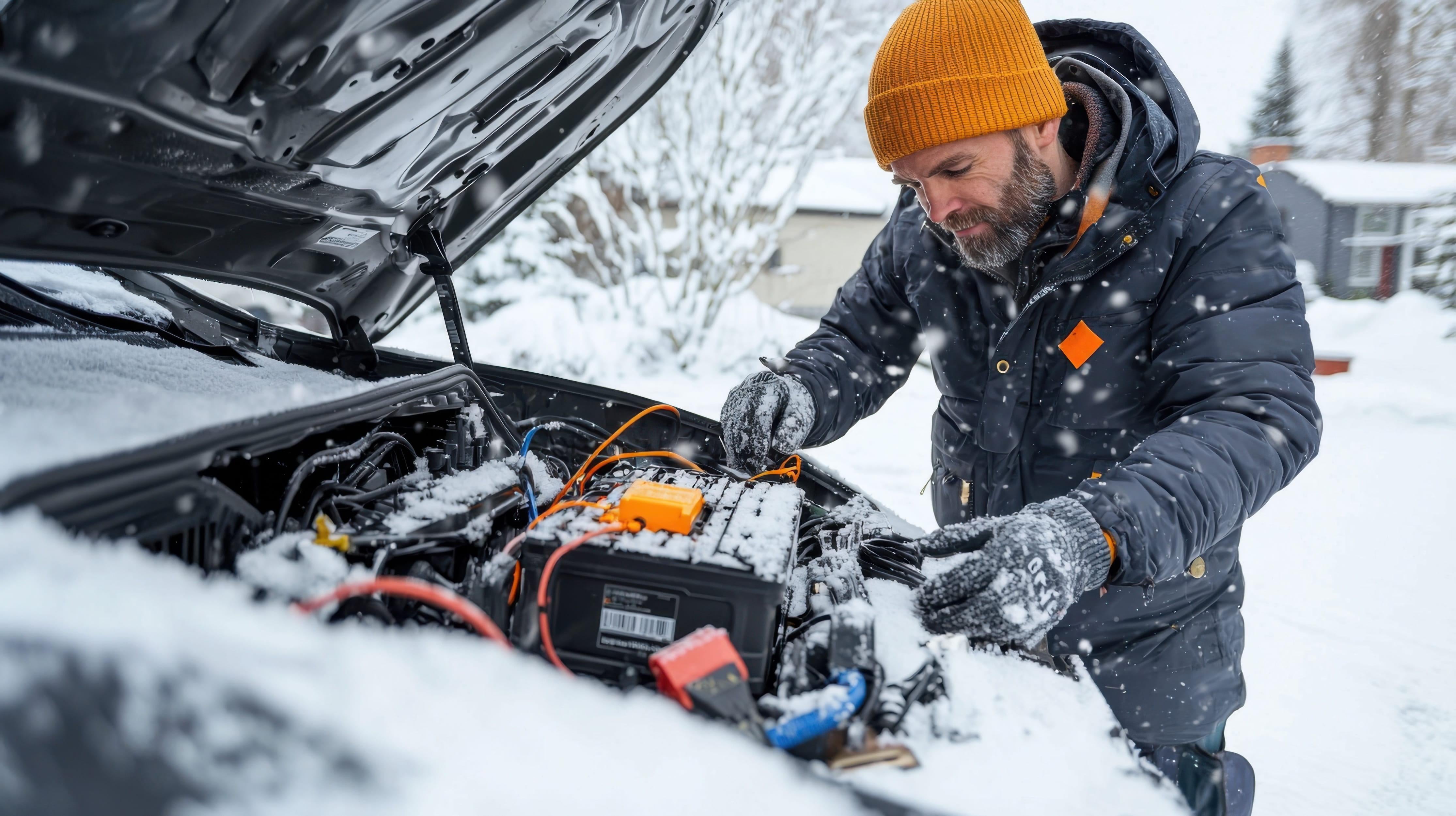
5. Check Your Car Battery Before Temperatures Drop
Cold weather can put extra strain on a vehicle's battery. A battery that performs adequately during summer may struggle when temperatures fall.
Before winter, look for signs of battery trouble, such as slow engine starting, dim lights when starting the car, or warning indicators. If the battery is several years old or has shown signs of weakness, consider having it tested by a mechanic.
You should also check that the battery terminals are secure and free from excessive corrosion. Avoid attempting repairs if you are unsure how to handle the battery safely.
Although ReifenDirekt.at focuses on tyre shopping, battery maintenance is another important part of preparing your vehicle for the season. Taking care of both tyres and basic vehicle maintenance helps you prepare more comprehensively for winter.
6. Inspect Brakes, Lights, and Windscreen Wipers
Good tyres work best when the rest of your vehicle is in suitable condition. Before winter, inspect the systems that help you see the road and respond to changing conditions.
Brakes: Pay attention to unusual noises, vibrations, or changes in braking response. Have any concerns checked by a qualified mechanic.
Lights: Test your headlights, brake lights, indicators, and rear lights. Clean the lenses so that you can see clearly and other road users can see you.
Windscreen wipers: Replace worn blades that leave streaks or fail to clear the windscreen properly.
Windscreen washer fluid: Use a winter-grade fluid suitable for low temperatures to help prevent freezing.
Demisting and heating: Check that your ventilation and demisting systems work correctly, since a clear windscreen is essential for safe driving.
These checks are especially useful before long journeys, when poor visibility or a mechanical problem could become more difficult to manage.
7. Check Coolant and Other Essential Fluids
Your car's fluids need to be suitable for winter temperatures. Check the coolant level and ensure the mixture provides the protection recommended by your vehicle manufacturer.
Do not open a hot coolant system, as pressurised hot liquid can cause serious burns. If you suspect a coolant problem or are unsure about the correct specification, consult a mechanic.
Also check your engine oil, brake fluid, and windscreen washer fluid according to your vehicle's maintenance instructions. Different vehicles may require different products and procedures, so avoid choosing fluids based only on general recommendations.
Planning these checks before the cold season helps you identify issues early instead of discovering them during an inconvenient winter journey.
8. Prepare a Winter Emergency Kit
Even a well-maintained vehicle can encounter delays in winter. Keeping a few useful items in your car can make an unexpected stop more manageable.
Consider carrying:
- An ice scraper and snow brush
- Warm clothing, gloves, and a blanket
- A warning triangle and reflective safety equipment as required
- A first-aid kit
- A torch with working batteries
- A phone charging cable or power bank
- Drinking water and a small supply of snacks
- Snow chains when appropriate for your route and vehicle
If you plan to drive in mountainous areas, check the weather and road conditions before departure. Make sure any snow chains you carry are compatible with your vehicle and that you know how to fit them safely.
An emergency kit does not replace proper vehicle maintenance, but it can help you stay prepared when winter travel takes longer than expected.
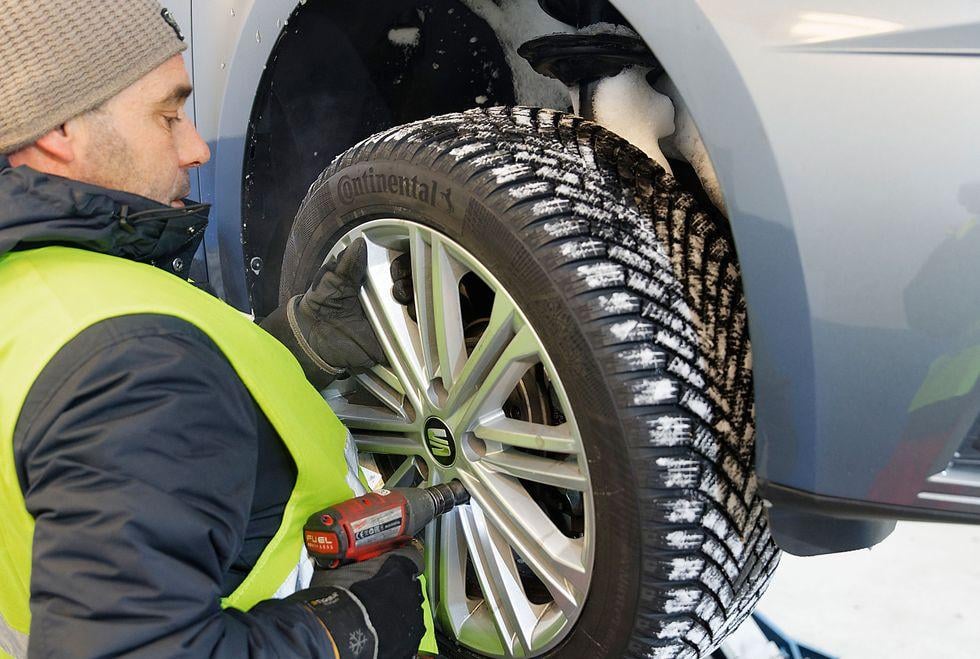
9. Check Your Wheels and Tyre Pressure
Tyre pressure can change as temperatures fall. Underinflated tyres can affect handling, wear, and fuel consumption, so it is important to check pressure regularly during winter.
Use the pressure recommended by your vehicle manufacturer, usually listed on a label inside the driver's door, on the fuel flap, or in the owner's manual. Measure pressure when the tyres are cold whenever possible.
If you are changing from summer tyres to winter tyres, check that the wheel and tyre combination is approved for your vehicle. The correct dimensions, wheel specifications, and load ratings matter.
ReifenDirekt.at can be a useful starting point for comparing tyres and wheel-related options. Always confirm compatibility with your vehicle documentation and, when needed, a qualified fitting professional.
10. Plan Your Winter Tyre Change With ReifenDirekt.at
One common mistake is waiting until the first snowfall to think about winter tyres. Demand can increase as temperatures fall, and leaving the change too late may make it harder to organise everything at your preferred time.
Instead, begin preparing in autumn. Check your current tyres, identify the specifications your vehicle requires, and explore suitable replacements on ReifenDirekt.at if necessary.
Before ordering, confirm the product details, delivery arrangements, and any fitting options available for your location. If you are using a tyre service provider, ask about appointment availability and whether your chosen tyres can be fitted to your vehicle.
Planning early can help you avoid a last-minute rush and give you more time to compare suitable products.
11. Adjust Your Driving for Winter Conditions
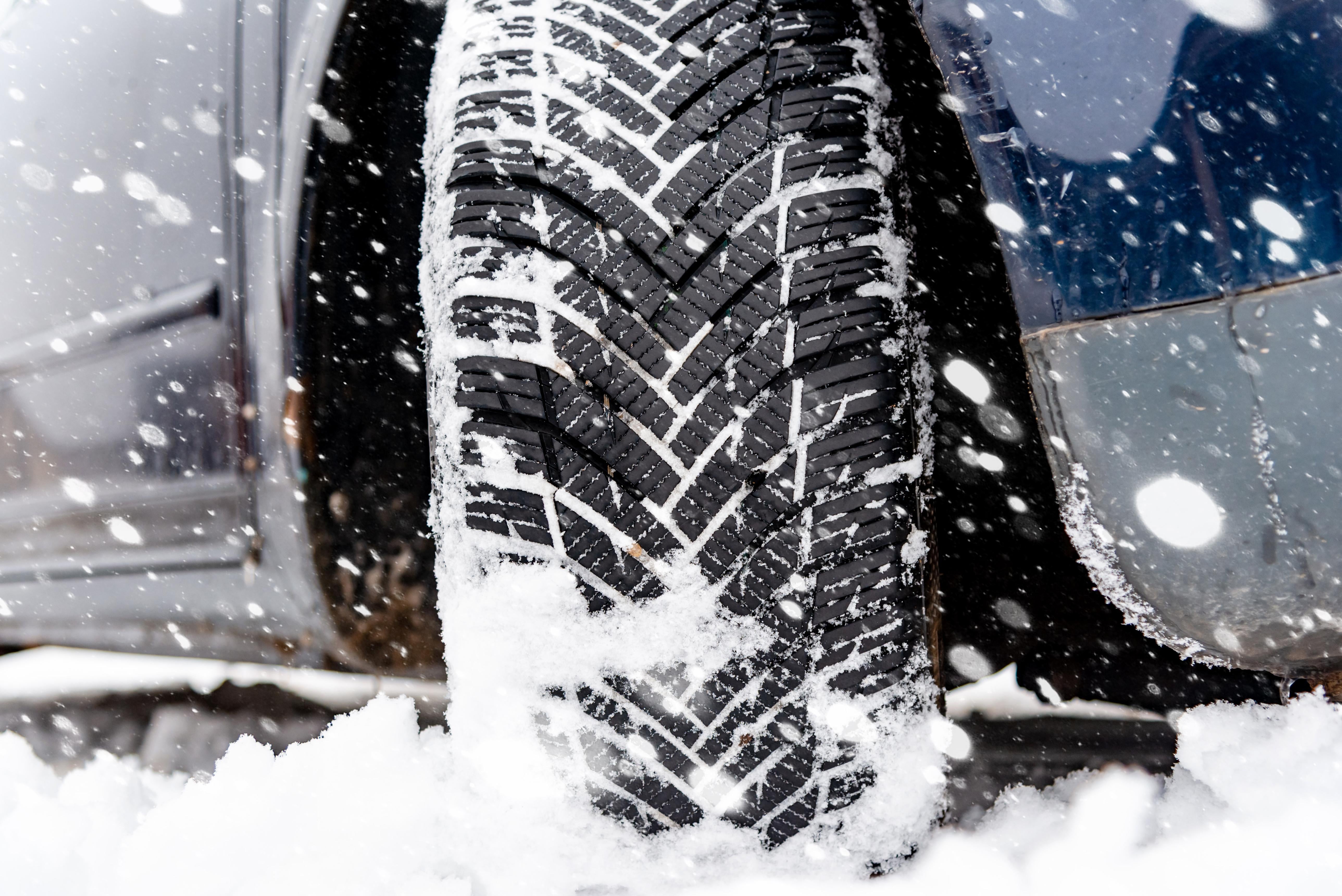
Even the right tyres cannot eliminate the risks associated with snow, ice, or freezing rain. Your driving style is just as important as your vehicle preparation.
When winter conditions are present:
- Reduce speed and leave more distance between your vehicle and the one ahead.
- Accelerate, steer, and brake smoothly.
- Avoid sudden manoeuvres, particularly on slippery surfaces.
- Clear snow and ice from windows, mirrors, lights, and the roof before driving.
- Check weather forecasts and road reports before longer journeys.
- Avoid unnecessary travel during severe weather.
Tyres selected through ReifenDirekt.at should be appropriate for your vehicle and the conditions you expect to encounter. However, always drive according to the actual road conditions, and remember that stopping distances can increase significantly on slippery roads.
12. Your Winter Car Preparation Checklist
Before the cold season begins, use this checklist to review the most important items.
Inspect tyre tread depth and look for damage.
Confirm that your tyres meet the relevant Austrian requirements.
Compare replacement options on ReifenDirekt.at if needed.
Check tyre pressure and wheel compatibility.
Test the battery and starting system.
Inspect brakes, lights, and windscreen wipers.
Check coolant and winter-grade washer fluid.
Prepare an emergency kit and suitable winter equipment.
Check snow-chain compatibility if you may need chains.
Arrange a tyre change and fitting appointment in good time.
Review weather and road conditions before winter journeys.
Completing these checks early can help you identify maintenance needs and make better-informed decisions about your tyres.
Conclusion: Get Winter-Ready With ReifenDirekt.at
Preparing your car for winter involves more than changing tyres. Checking your battery, brakes, lights, fluids, tyre pressure, and emergency equipment can all help you get ready for colder weather and challenging road conditions.
ReifenDirekt.at can help you explore and compare tyre options for your winter driving needs. Start by confirming your vehicle's specifications, assessing the condition of your existing tyres, and comparing suitable products before the weather turns severe.
Don't wait for the first snowfall to prepare. Review your car early, organise any necessary maintenance, and make sure your tyres are appropriate for the conditions you expect to encounter.
Visit ReifenDirekt.at to explore the available tyre options and take the next step toward getting your car ready for winter.
Write a comment
Comments
No Comments Yet